
April 23, 2026
Thinking about living in Hudson while working in the Twin Cities? You are not alone. For many buyers, Hudson stands out because it offers a scenic St. Croix setting, a historic downtown, and direct access to I-94, all while keeping you connected to the metro. If you are weighing the move, this guide will help you understand the real commute, what kind of homes you will find, how prices compare, and what day-to-day life actually looks like. Let’s dive in.
Hudson is a city of roughly 15,000 people on the Wisconsin-Minnesota border along the St. Croix River. City planning documents describe it as a place many Twin Cities residents are drawn to for its small-town character, scenic setting, historic downtown, and access to I-94. That combination is a big reason Hudson stays on the radar for buyers who want a border-town lifestyle without losing metro access.
Hudson also shows signs of a stable, in-demand market. According to U.S. Census QuickFacts for Hudson, the city has a median household income of $93,937, and 43.1% of residents hold a bachelor’s degree or higher. Those numbers help explain why Hudson often appeals to professionals who want both convenience and lifestyle.
If you plan to live in Hudson and work in the Twin Cities, you should think of Hudson as a drive-first community. According to Data USA’s Hudson profile, 71.3% of workers drove alone in 2024, 7.04% carpooled, and 17.9% worked from home. The average travel time to work was 23.4 minutes, and the average household had two cars.
That does not mean every commute is quick or easy every day, but it does show the basic pattern. Most residents rely on a car, and many households are set up for that reality. If your work schedule is hybrid, Hudson may feel even more practical because a meaningful share of workers already work from home at least part of the time.
Hudson does offer a backup option for commuters who want more flexibility. WisDOT operates a free park-and-ride lot at I-94 exit 2 and Carmichael Road, with 162 auto stalls and connections to RIDESHARE and Metro Transit carpool resources.
For some commuters, that can make carpooling easier or give you another way to structure the trip into the metro. It is not the same as full fixed-route transit, but it is a useful tool if you want options beyond driving solo every day.
Inside the city, Hudson offers a shared-ride public transit service that runs door-to-door on a demand-response basis. The city says it operates within Hudson and within five miles of the city limits, daily from 7:00 a.m. to 7:00 p.m.
This service is more about local mobility than a direct Twin Cities commute. Still, it can help with errands, appointments, or getting around town if you want another local transportation option.
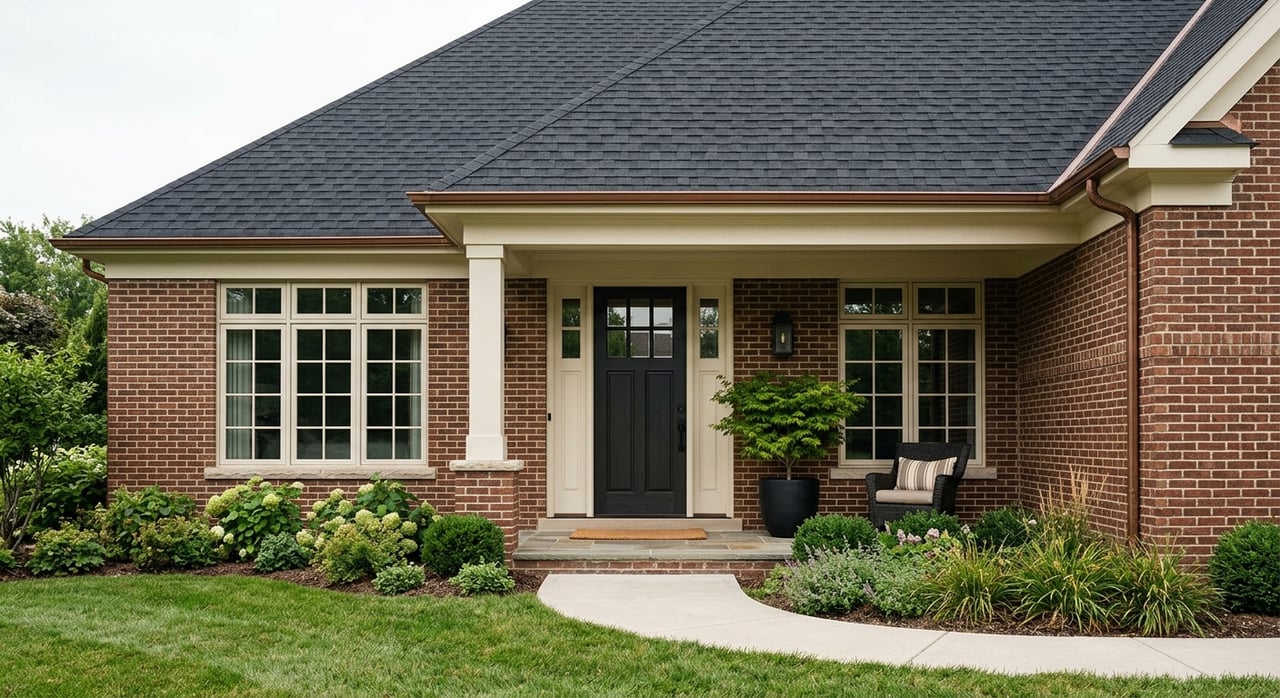
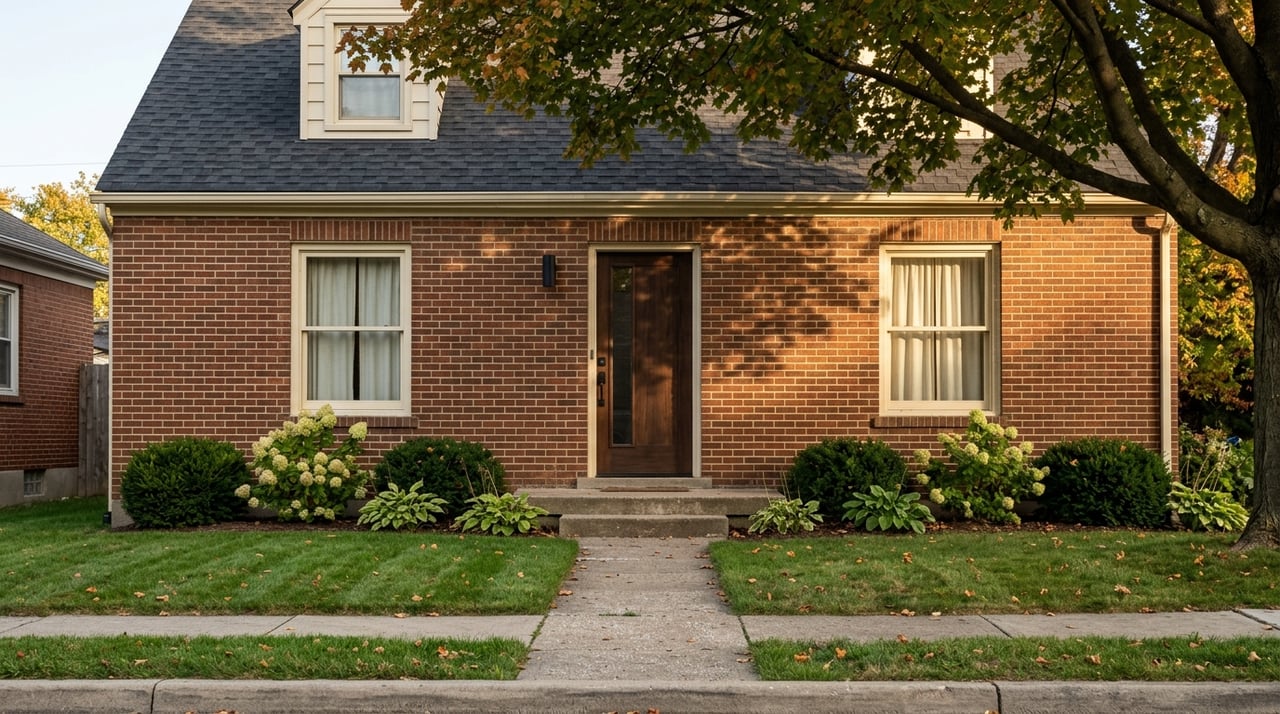
Hudson offers a range of housing styles, but single-family homes still shape much of the city’s feel. According to the 2040 Hudson Comprehensive Plan, older neighborhoods near downtown follow a more traditional grid and include mature single-family homes. West-central areas are mostly suburban-pattern single-family neighborhoods, while the bluff area along the St. Croix River is also primarily single-family.
The southeast side of Hudson is also described as low-density single-family housing. If you are picturing a classic residential setting with more space and a suburban layout, much of Hudson fits that expectation.
Hudson is not only a single-family market. The city’s planning documents also identify medium-density and mixed-use areas near downtown and Carmichael Road. That matters if you are looking for lower-maintenance living, newer construction patterns, or a home that feels more flexible for your stage of life.
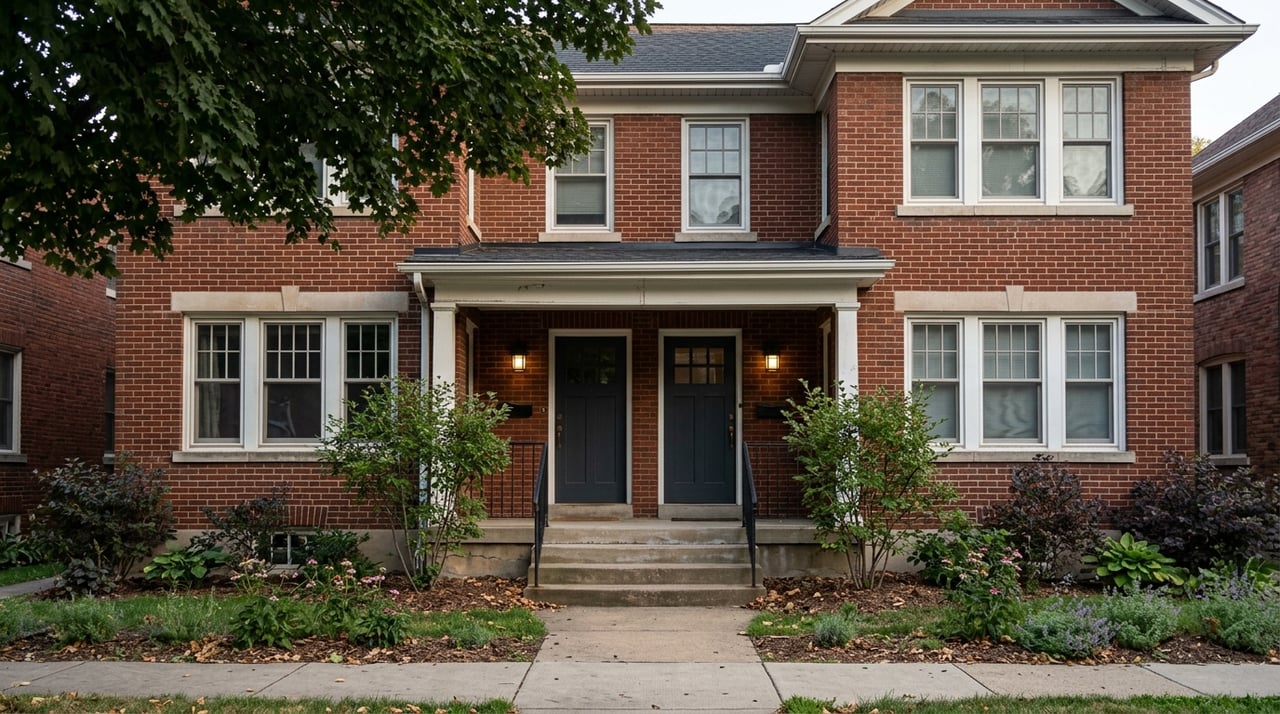
The plan points to neighborhoods like Park Place, which includes single-family homes, twin homes, and rowhomes. It also highlights Bella Rose, with single-family homes and both 55-plus and market-rate apartment buildings. In other words, Hudson offers more housing variety than some buyers expect when they first think of it as a small river city.
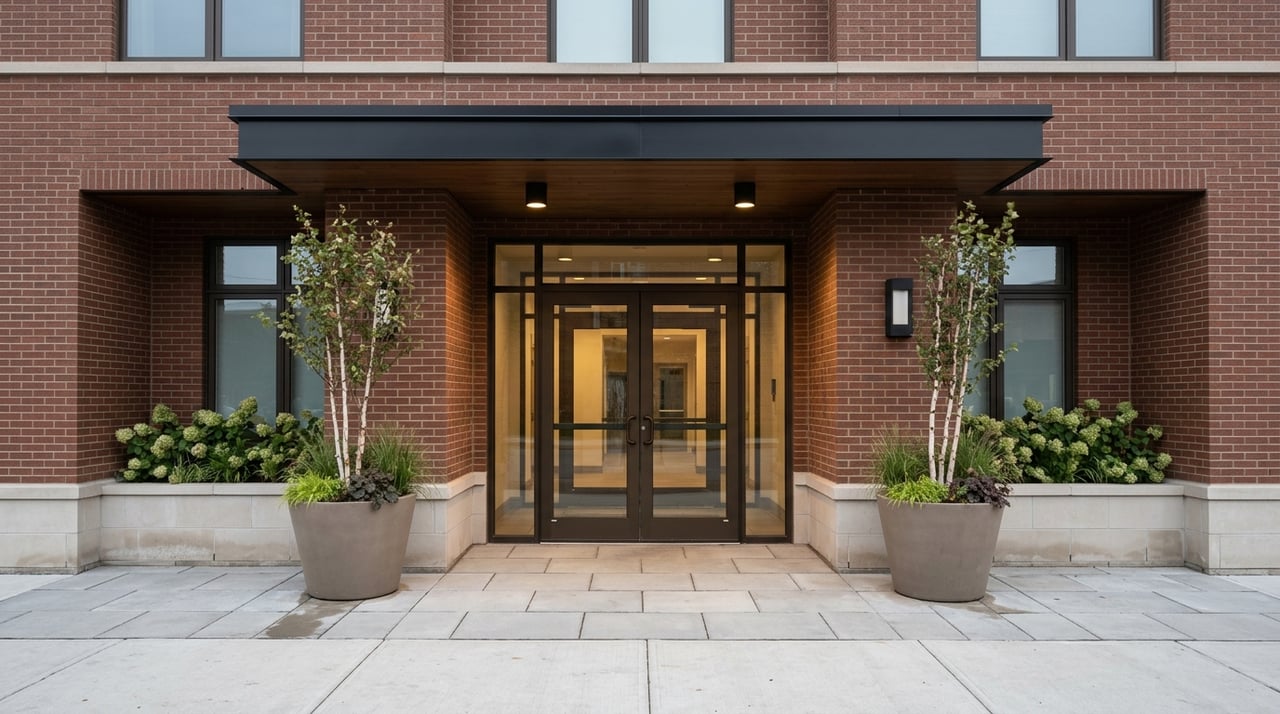
Hudson’s planning documents specifically note that condominiums and apartments are an important part of future housing demand for both younger workers and older households. That makes Hudson relevant for more than one type of buyer. Whether you want a detached home, a townhome-style option, or a more maintenance-light property, it is worth looking beyond the city’s single-family image.
One of the biggest misconceptions about moving across the river is that Hudson automatically means lower home prices. The data suggests that is not always true.
According to Census QuickFacts for Hudson, the median value of owner-occupied housing is $392,700. The same source reports median monthly owner costs with a mortgage at $2,115, median gross rent at $1,359, and an owner-occupancy rate of 66.5%.
For comparison, the U.S. Census Bureau reports median owner-occupied home values of $362,200 in Minneapolis and $294,500 in St. Paul. Based on those benchmarks, Hudson sits above both cities. It also stands well above Wisconsin’s statewide median owner-occupied value of $266,500.
That does not mean Hudson is overpriced. It means the value story is more nuanced than simple cost savings. For many buyers, the appeal comes from the mix of I-94 access, the river setting, housing options, and local amenities, not from the idea that Hudson is always a bargain.
A move to Hudson is not just about getting to work. It is also about how you spend your time when you are not commuting. The city describes downtown Hudson as historic, with on-street parking and public lots, including two lots that offer up to four hours of free parking. You can learn more through the city’s downtown parking information.
That setup supports a fairly easy routine for dining, errands, and local shopping. For buyers who want a walkable-feeling destination for part of their week, downtown is a meaningful lifestyle feature.
Hudson’s setting along the St. Croix River is one of its biggest draws, and Lakefront Park plays a major role in that. The city says the park includes a boat launch, beach, summer lifeguards, a bandshell for concerts and events, paved trails, picnic shelters, playground equipment, swimming, and river views.
That gives you more than scenic value. It creates real everyday access to outdoor space and community events, which can be a major quality-of-life factor if you want your home base to offer more than a place to sleep between workdays.
Hudson also has a solid network for walking and biking. According to the city’s Bike and Pedestrian Master Plan, Hudson has about 74 miles of bike and pedestrian infrastructure, including multi-use trails, sidewalks, and bike lanes.
For many buyers, that kind of network helps round out the appeal of the city. It supports a more active lifestyle and makes it easier to enjoy local recreation close to home.
For households considering school options, it is smart to verify current district information as part of your search. The district website lists elementary, middle, high school, community 4K, and virtual academy options. The district also announced that on October 13, 2025, the board voted to close Houlton Elementary and Willow River Elementary at the end of the school year and begin a boundary redrawing process, according to the Hudson School District update.
If schools are part of your move decision, current attendance boundaries and enrollment details are worth reviewing carefully during your home search. Changes like these can affect how you evaluate location, timing, and available inventory.
Hudson tends to fit buyers who want a scenic border-town setting with practical access to the Twin Cities. It works especially well if you are comfortable with a mostly car-based commute and want a city where lifestyle includes historic downtown spaces, riverfront recreation, and a range of housing types.
It may be less compelling if your main goal is to find a dramatically cheaper alternative to Minneapolis or St. Paul. Based on the available housing data, Hudson is often better understood as a lifestyle and location choice rather than a pure budget move.
If you are comparing Hudson with neighborhoods in Minneapolis, St. Paul, or other east metro communities, working with a local advisor can help you weigh the tradeoffs clearly. The team at Ewing Real Estate Group can help you compare commute patterns, housing options, and market value so you can make a move that fits your goals.

Get assistance in determining current property value, crafting a competitive offer, writing and negotiating a contract, and much more. Contact them today.