
June 18, 2026
If you are thinking about buying a duplex, triplex, or small apartment building in St. Paul, the opportunity is real, but so is the homework. Small multifamily investing here is not just about finding a building with rent coming in. You also need to understand local rent rules, vacancy assumptions, utility setup, and whether the numbers still work if rent growth stays modest. This guide will help you focus on what matters most before you buy. Let’s dive in.
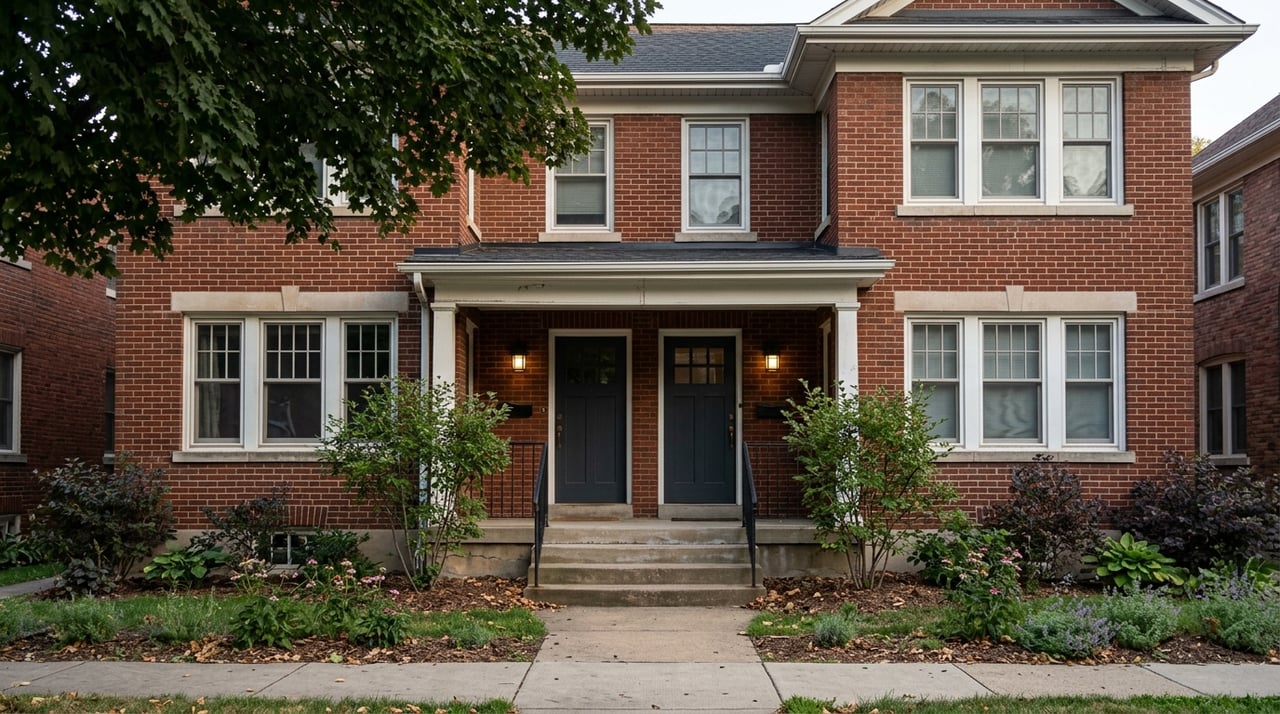
St. Paul has a long-established housing mix that includes single-family homes, duplexes, triplexes, apartments, and condos. According to the city’s housing study, 11% of housing units are in 2-to-4-unit buildings, while 35% are in buildings with 5 or more units.
That matters because smaller multifamily properties are an important part of the city’s housing stock. The same study found a long-run decline from 2000 to 2017, with duplexes down 17% and triplexes and fourplexes down 11%. When replacement supply is limited in many neighborhoods, existing small multifamily buildings can become especially valuable.
For you as an investor, that can create opportunity. It also means good assets may require faster decisions, stronger due diligence, and careful pricing discipline.
St. Paul’s rental market is active, but it is not a market where you should assume aggressive rent growth. HousingLink’s March 2026 brief reported median rents of about $1,095 for a one-bedroom, $1,425 for a two-bedroom, and $1,925 for a three-bedroom, with overall vacancy around 4%.
At the same time, a Minneapolis Fed analysis found that after inflation, typical St. Paul rents peaked in 2020 and fell to $1,456 by March 2026. In plain terms, that suggests the market may still support stable income, but easy rent lift is less certain.
This is why your purchase price matters so much. In a market with limited rent acceleration, your acquisition basis, repair budget, and operating efficiency often have a bigger effect on returns than optimistic future rent assumptions.
Not every small multifamily property in St. Paul should be underwritten the same way. A century-old duplex and a newer small apartment building may both produce rental income, but their rules, upkeep, and rent flexibility can look very different.
Older duplexes and triplexes may offer character and location, but they often need closer review of repairs, utilities, and compliance records. Newer buildings may come with a different revenue profile if they qualify for an exemption from St. Paul’s rent stabilization rules.
Before you get attached to a property, make sure you know which of these categories it fits into:
That final detail can materially change your income assumptions over time.
One of the biggest underwriting issues in St. Paul is rent stabilization. The city limits residential rent increases to 3% in a 12-month period, but there are also exceptions.
Current city rules allow a self-certification increase exception for 3% to 8%, a just-cause vacancy increase exception at CPI plus 8%, and a staff-determination exception with no limit if adequately justified. The city also maintains a reasonable-return process.
For you, the key takeaway is simple. You should not assume that turning over a unit automatically allows a major rent reset. If your investment plan depends on sharp rent increases, you need documentation, a qualifying exception, or an applicable exemption.
St. Paul’s landlord guidance says the rent cap does not apply to newly constructed residential rental properties with a first building certificate of occupancy after December 31, 2004. It also does not apply to former non-residential properties converted to residential rental use if they received a new certificate of occupancy after that date.
This is a major distinction when you compare assets. A newer building may support a different long-term revenue strategy than an older property that falls under the city’s rent cap.
That does not automatically make one option better than the other. It simply means you should underwrite each property according to the rules that actually apply.
A rent roll is more than a list of tenants and monthly rents. It is the starting point for the income side of your analysis.
A lender-style framework begins with actual rent for occupied units and market rent for vacant units based on the current rent roll. From there, underwritten income is reduced for vacancy, concessions, and bad debt.
In St. Paul, reading a rent roll well is especially important because future rent growth may be constrained by local rules. You are not just checking what the property collects today. You are also testing how realistic next year’s income may be.
When you review a duplex, triplex, or small apartment building, confirm the following:
If a seller’s numbers look strong, but they depend on large future increases that are not clearly supported, take a step back. In St. Paul, tomorrow’s revenue often needs more proof than it would in a less regulated market.
Expense review is where many small multifamily deals either become credible or fall apart. A proper review starts with historical operations and tests them against real documents like utility bills, insurance policies, tax assessments, contracts, and actual trailing expenses.
That matters because seller pro formas can look cleaner than the building’s true operating history. If the trailing numbers tell a different story, the trailing numbers deserve more weight.
You should also separate recurring costs from one-time items. A big one-time repair should not be treated as a normal annual cost, but recurring underbudgeted maintenance should not be ignored either.
In St. Paul, a few expense categories deserve extra scrutiny:
Utility setup is especially important. The city publishes utility billing guidance, and landlords cannot casually shift utility costs without following state law and adjusting rent as required.
Many new investors make the mistake of underwriting an older duplex or triplex as if it will stay fully occupied all the time. That is rarely the safest approach.
St. Paul’s housing study says a well-functioning rental market should have at least 5% vacancy. HousingLink’s March 2026 brief reported overall vacancy around 4%.
A practical approach is to stress test your deal at 5% vacancy or more rather than assuming near-zero downtime. If the building has deferred maintenance, weaker leasing history, or frequent turnover, a higher vacancy assumption may be more prudent.
In St. Paul, most rental buildings do not need a rental license, but they do need to maintain a Fire Certificate of Occupancy. That is an important detail during due diligence.
The city also allows prospective tenants to review inspection records through its Property Search Portal. For you as a buyer, inspection history can help reveal recurring issues, deferred maintenance patterns, or operational red flags before closing.
This is one of the easiest places to protect yourself. A building with stable rents can still become a costly investment if compliance issues or physical condition problems are waiting below the surface.
If you are intentionally planning for long-term affordable or workforce housing, St. Paul’s 4d Affordable Housing Incentive Program may be worth a closer look. The city says qualifying naturally occurring affordable housing can receive a tax classification that reduces the assessed tax rate on designated units by up to 80%.
State law now requires the savings to be reinvested into maintaining the property. That means the program is not simply a tax break without obligations.
For the right investor, though, it can be meaningful. If your strategy centers on stable long-term operations rather than aggressive rent growth, this may improve the property’s long-term math.
Compared with nearby Twin Cities markets, St. Paul’s main difference is often the revenue profile rather than the basic asset class. The market is still investable, but future rent growth may need a more cautious outlook.
Metro-level data from Northmarq reported that in the first quarter of 2026, vacancy ended lower than a year earlier, rents rose 4.5% year over year, and about 33% of apartment sales were in the Outlying St. Paul submarket. At the same time, St. Paul-specific data suggest that rent lift within the city may be more limited, especially after inflation.
That means your edge is likely to come from careful underwriting, smart operations, and clear compliance strategy. It is less likely to come from assuming fast rent growth will fix a thin deal.
If you want a simple framework for evaluating small multifamily opportunities in St. Paul, use this:
This process will not remove every risk. It will help you make cleaner decisions and avoid some of the most common underwriting mistakes.
If you are exploring a duplex, triplex, or small apartment building in St. Paul, local market knowledge matters. Ewing Real Estate Group brings Twin Cities multifamily insight, hands-on guidance, and a consultative approach to help you evaluate opportunities with more clarity and confidence.







Get assistance in determining current property value, crafting a competitive offer, writing and negotiating a contract, and much more. Contact them today.