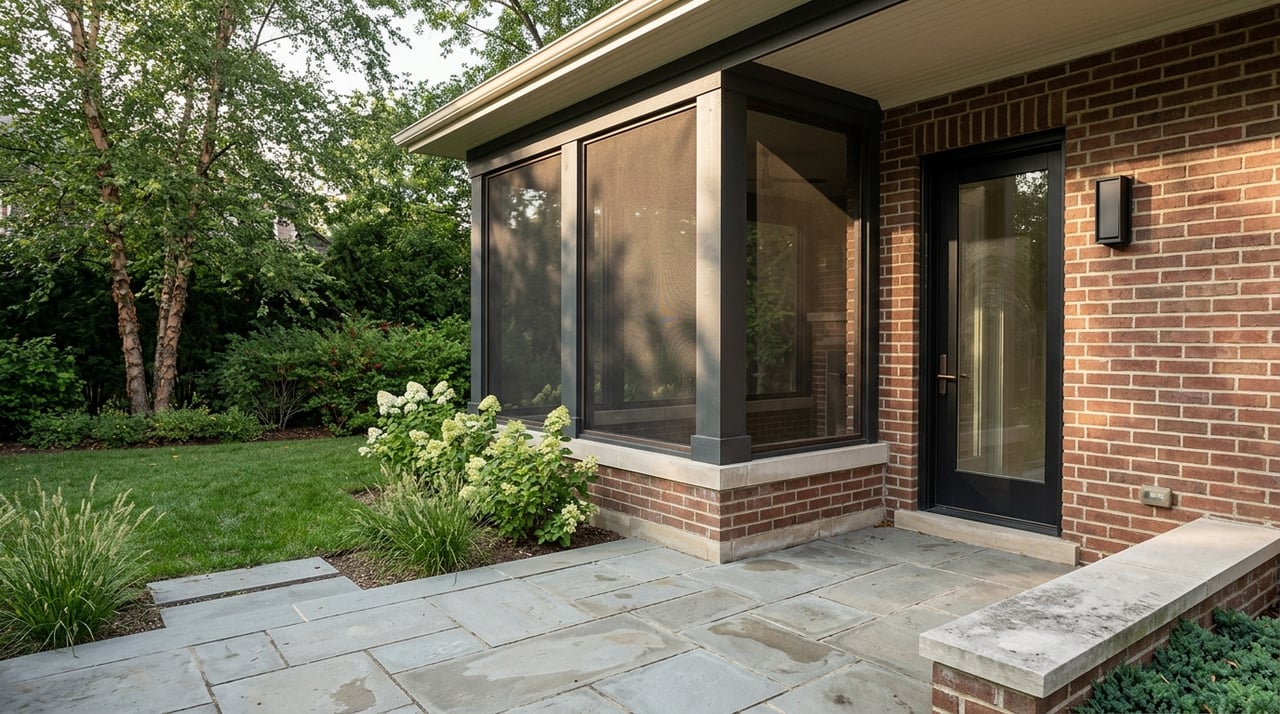
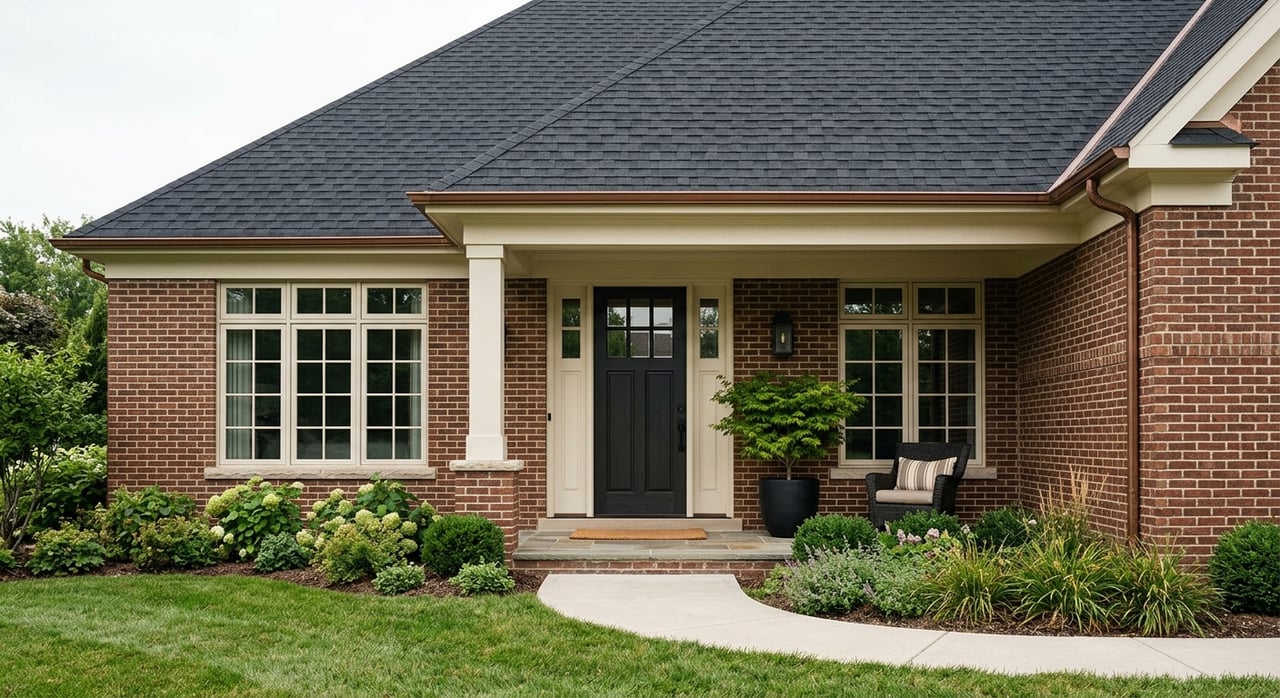
Thinking about selling your home in White Bear Lake? Timing can shape your price, your days on market, and how smooth your sale feels. You want a clear plan that fits Minnesota’s seasons and the lake lifestyle buyers love here. In this guide, you’ll learn the best months to list, how lakeshore timing differs from inland homes, and a simple 3–9 month prep timeline to help you launch with confidence. Let’s dive in.
Best time to sell in White Bear Lake
White Bear Lake sits in Ramsey County and follows a familiar pattern seen across Minnesota. Buyer activity generally climbs in spring and early summer, then tapers into late fall and winter. Inventory also builds in spring, so you’ll see more buyers but also more competing listings.
- The best overall window for maximum exposure is late April through June. This captures the spring surge while showing your yard and exterior in the best light.
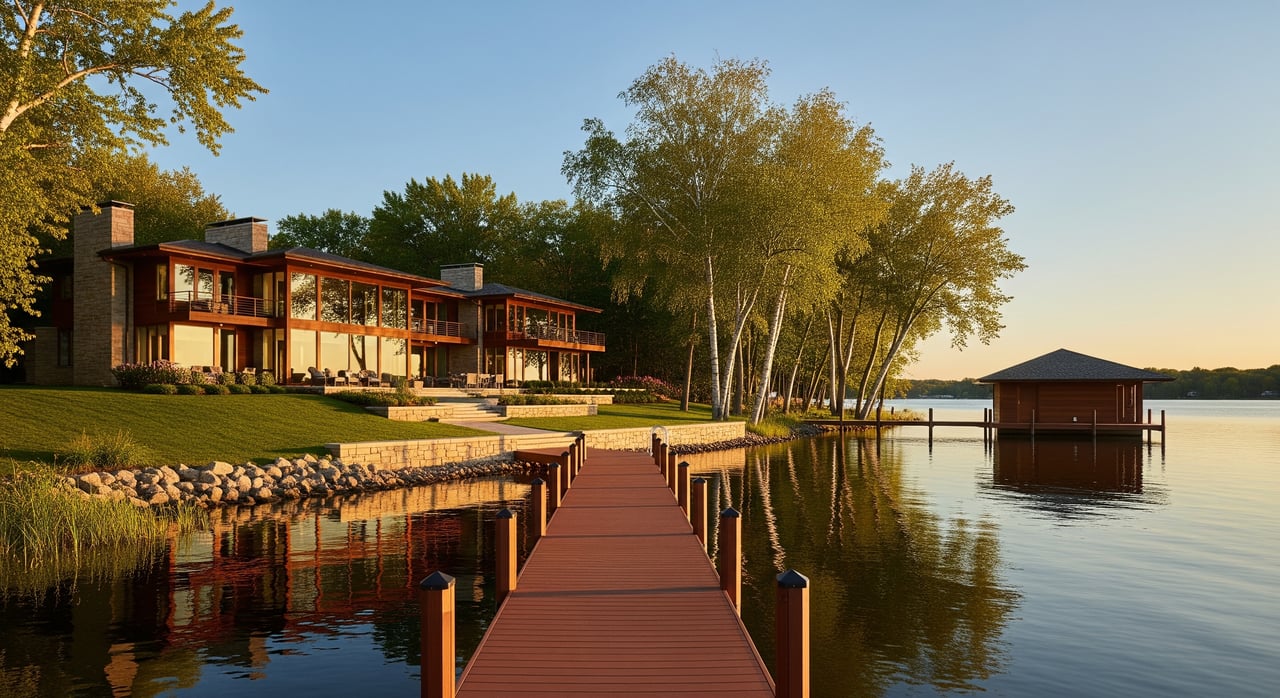
- For lakeshore and lake-view homes, prime interest runs May through July. Warm weather, leaf-out, and open water make a stronger first impression.
- Secondary windows like August through October can work well for relocation buyers. Winter can still produce solid sales when inventory is low and pricing is aligned with the market.
Why timing matters locally
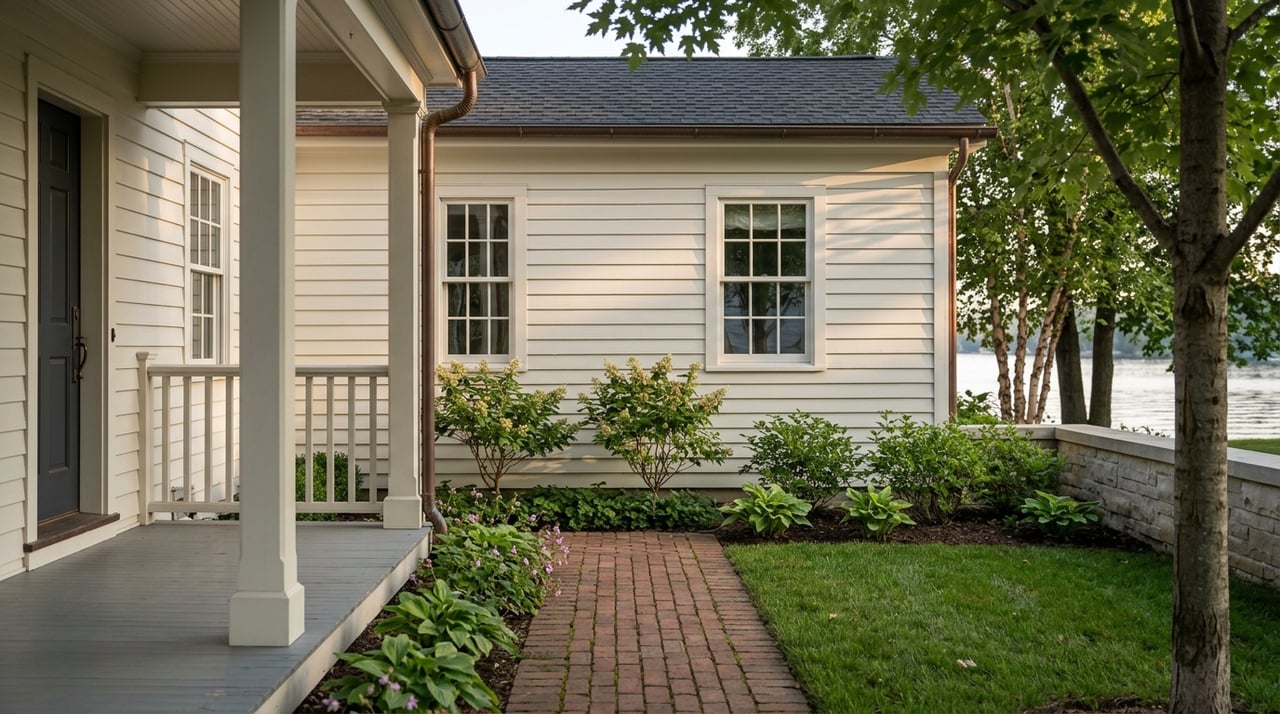
In lakeside neighborhoods, buyers respond to dock access, water views, and outdoor spaces. Those features show best when the lake is navigable and the landscaping is green. Photos and showings from late April through July help buyers see how they will live on the water.
Off-peak months can still work, especially if inventory is tight or buyers are motivated. Just know that winter photos often under-represent outdoor appeal, so you may want a plan to refresh exterior images once trees leaf out.
Lakeshore vs. inland strategy
Lakeshore and inland properties both sell well in White Bear Lake, but buyers evaluate them differently. Your strategy should match what your home offers and when those features show best.
Lakeshore features to showcase
- Dock, boat lift, shoreline condition, and any stabilization or bulkhead work
- View lines from key rooms and outdoor entertaining areas
- Decks, patios, fire pits, and landscape lighting
- Storage for watercraft and gear
When possible, schedule photos after leaf-out and when the water looks clear and inviting. Drone or aerial shots help buyers understand shoreline position and neighborhood context. Confirm any HOA or local rules before using drones.
Inland home strengths to highlight
- Convenient neighborhood location and commuter access to St. Paul and Minneapolis
- Lot size, privacy features, and usable yard areas
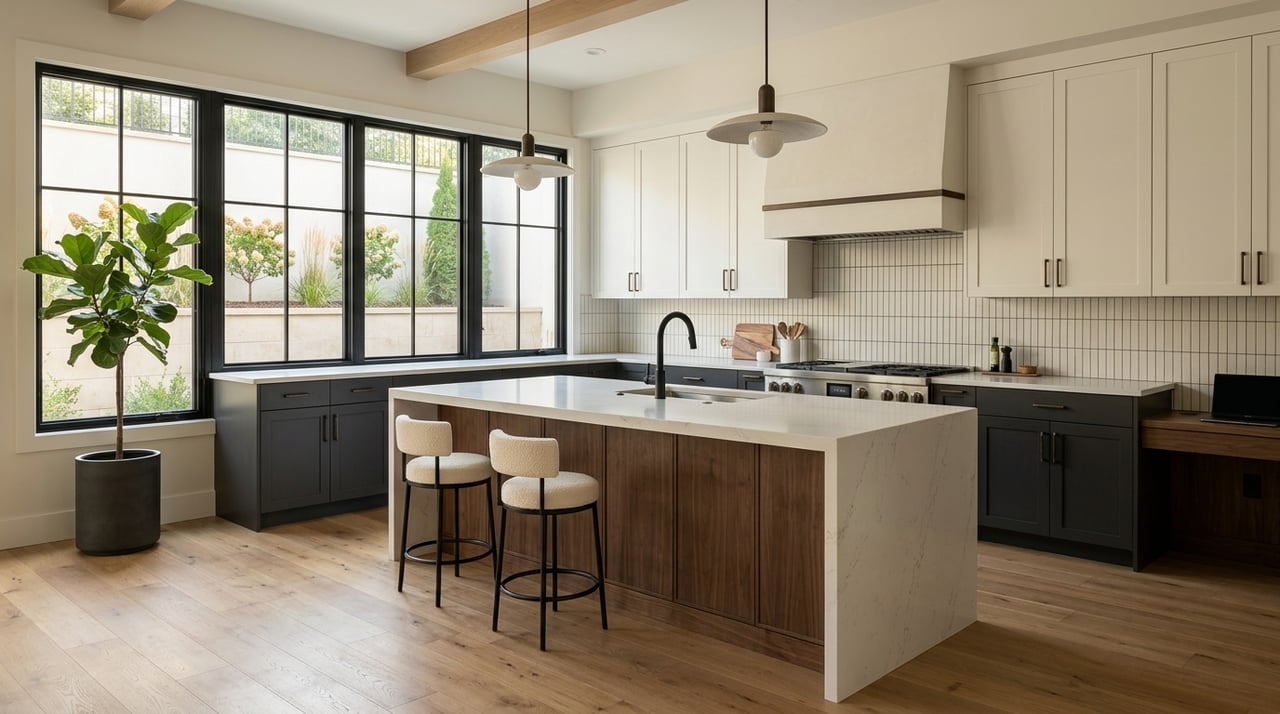
- Meaningful interior updates like kitchens, baths, flooring, and mechanicals
If you’re listing outside peak months, lean into warm, well-lit interiors and fresh curb appeal to offset seasonal limits.
Your 3–9 month prep timeline
A simple, phased plan helps you hit the best window without rushing. Use this as a starting point and adjust based on your property type and target date.
9 months out: plan and gather
- Start larger projects with longer lead times, like roof, HVAC, structural work, or permitted shoreline work.
- Collect documents: deed, survey, prior dock or shoreline permits, septic and well records if applicable, utility bills, and any association documents.
- Book a pre-listing consult with a local agent who understands White Bear Lake and Metro MLS seasonality.
6 months out: complete major work
- Finish significant repairs and any permitted shoreline improvements.
- Decide on staging scope; schedule painting, flooring, or light updates.
- Begin decluttering and plan for storage.
- Gather recent lake and water quality information you can share with buyers.
3 months out: inspect and prepare marketing
- Order pre-listing inspections as needed: general home, septic, and well. Secure estimates for any fixes you plan to complete.
- Finalize a landscaping plan so your yard peaks during photos. Prioritize pruning, lawn care, and seasonal color.
- Get quotes for professional photography and drone imaging, especially for waterfront views.
- Check local permit records and confirm required seller disclosures related to shoreline, docks, and flood zones.
2–6 weeks out: polish and schedule
- Deep clean, stage interiors, and handle final curb appeal tasks. Power wash the dock, tidy shoreline, and remove seasonal gear.
- Schedule photos during optimal conditions. For spring listings, late April through June is ideal.
- Prepare a detailed feature list that emphasizes lake access, view orientation, dock or boathouse details, and recent improvements.
Listing week and showings: maximize access
- Offer flexible showing times, especially weekends and early evenings when many lake-focused buyers tour.
- Consider an open house timed for the weekend to meet high-activity periods.
Photo timing tips
Exterior and lake imagery can make or break your first week on market. Aim for:
- Late April through June when vegetation is full and the water reads well
- Late August through September as a secondary window
- If you must list in winter, invest in standout interior photography and plan to refresh exteriors in spring for a renewed marketing push
Pricing and listing strategy
Your strategy should match the season and what buyers are seeing in the market right now.
- Spring listings draw more buyers and often sell faster, but they face more competition. Price against current spring comparables, not older winter sales.
- Off-peak listings can capture motivated buyers and less competition. Expect longer market times and fewer casual showings. Price cleanly within market value to keep momentum.
- For lakeshore homes, lean on true waterfront comparables. Adjust for private dock rights, shoreline quality, water depth and access, and unique outdoor amenities.
Competitive positioning
- Be ready for multiple showings and potential quick offers in peak season by having disclosures and inspection reports prepared.
- For high-value waterfront properties, consider a brief pre-market phase or coming-soon exposure where allowed by MLS rules to reach specialty buyers.
- If rates or inventory shift, consider incentives like a home warranty, a credit for dock repairs, or a flexible closing timeline.
Negotiation expectations by season
- Spring: tight inventory can push buyers to move quickly, but strong competition also gives buyers options. Solid preparation helps you keep leverage.
- Off-peak: winter buyers are often motivated. Expect more negotiation on price or contingencies unless your pricing and presentation are dialed in.
Regulations and disclosures checklist
Waterfront and near-water properties come with extra questions. Plan ahead so you can answer with confidence.
- Permits and shoreland rules: confirm permits for dock installation, shoreline alterations, or stabilization work. Be ready to disclose past work.
- Flood zones and insurance: check FEMA designations and local floodplain status. Gather any flood insurance details and history.
- Invasive species and water quality: know if buyers ask about zebra mussels, algae blooms, or clarity. Have recent reports available where possible.
- Title and riparian rights: clarify private vs. public shoreline, any easements, and association rules for shared docks or launches.
- Documentation: keep your property survey, deed, tax assessment, utility bills, permits, inspection reports, and any recent lake or municipal water quality information organized and ready to share.
Showing schedule and marketing plan
Meeting buyers where they are boosts your odds of strong offers.
- Prioritize weekend and early evening showings to match lifestyle and tour patterns.
- Use aerials and clear maps to show shoreline position, access, and neighborhood context.
- Make your feature list easy to scan and specific: dock length and type, lift details, view orientation, recent improvements, and any transferable warranties.
When winter listings make sense
Sometimes timing is driven by life changes. If you need to sell in winter, you can still succeed with a smart plan.
- Price with current winter comparables and expect a longer runway.
- Elevate interior lighting, warmth, and staging to make your home feel inviting.
- Plan a spring photo refresh and a second marketing push once the lake opens and landscaping returns.
Next steps for White Bear Lake sellers
Every season brings trade-offs, and monthly conditions can change with rates and inventory. Use the guidance above to choose your target window, then confirm the timing with fresh MLS data before you list.
Ready to time your sale for the strongest results? Request a complimentary market valuation and a tailored launch plan with Ewing Real Estate Group.
FAQs
What months are best to sell a home in White Bear Lake?
- The strongest overall window is late April through June, with lakeshore interest peaking May through July when the lake and landscaping show best.
How does selling a lakeshore home differ from an inland home?
- Lakeshore buyers focus on dock access, shoreline condition, view lines, and outdoor spaces, so photos and showings during leaf-out and open water are especially important.
Is winter a bad time to sell in White Bear Lake?
- Winter can work when inventory is low and buyers are motivated, but expect fewer showings, longer timelines, and the need for standout interior presentation.
How far in advance should I prepare to list my home?
- Begin planning 6–9 months out for larger projects and documents, then complete inspections, staging, and photography in the 2–12 weeks before listing.
What documents should I gather for a lakeshore sale in Ramsey County?
- Collect your deed, survey, permits for any shoreline or dock work, inspection reports, tax and utility records, flood zone information, and recent lake or water quality reports.
How should I price my White Bear Lake home in spring vs. winter?
- In spring, price against current spring comparables due to higher activity and inventory; in winter, align with recent off-peak sales and allow for a longer marketing time.